April 17, 2026
The popularity of the tankless water heater is undeniable, thanks to its energy efficiency and on-demand hot water supply. However, many homeowners are often misled by several misconceptions when it comes to repairing these modern systems. In this article, we will debunk some of these common misconceptions to help you better understand how to manage issues with a tankless water heater effectively. As these systems become more commonplace, accurate knowledge becomes essential for maintaining their efficiency and longevity. Recognizing and addressing these misconceptions not only helps in better management but also ensures a longer lifespan for the heaters, which, according to Fixr, can last between 15 and 20 years.
1. Discussing a Big Misconception: Tankless Water Heaters Never Require Maintenance
A tankless water heater requires regular descaling to function optimally. Over time, minerals can accumulate inside the heater, particularly in areas with hard water. These mineral deposits can obstruct water flow and damage the heating elements, reducing the efficiency of the system. Ignoring this maintenance can lead to reduced performance and potential irreversible damage. Regular descaling cleans the system, ensuring water flows smoothly and the heating elements operate efficiently.
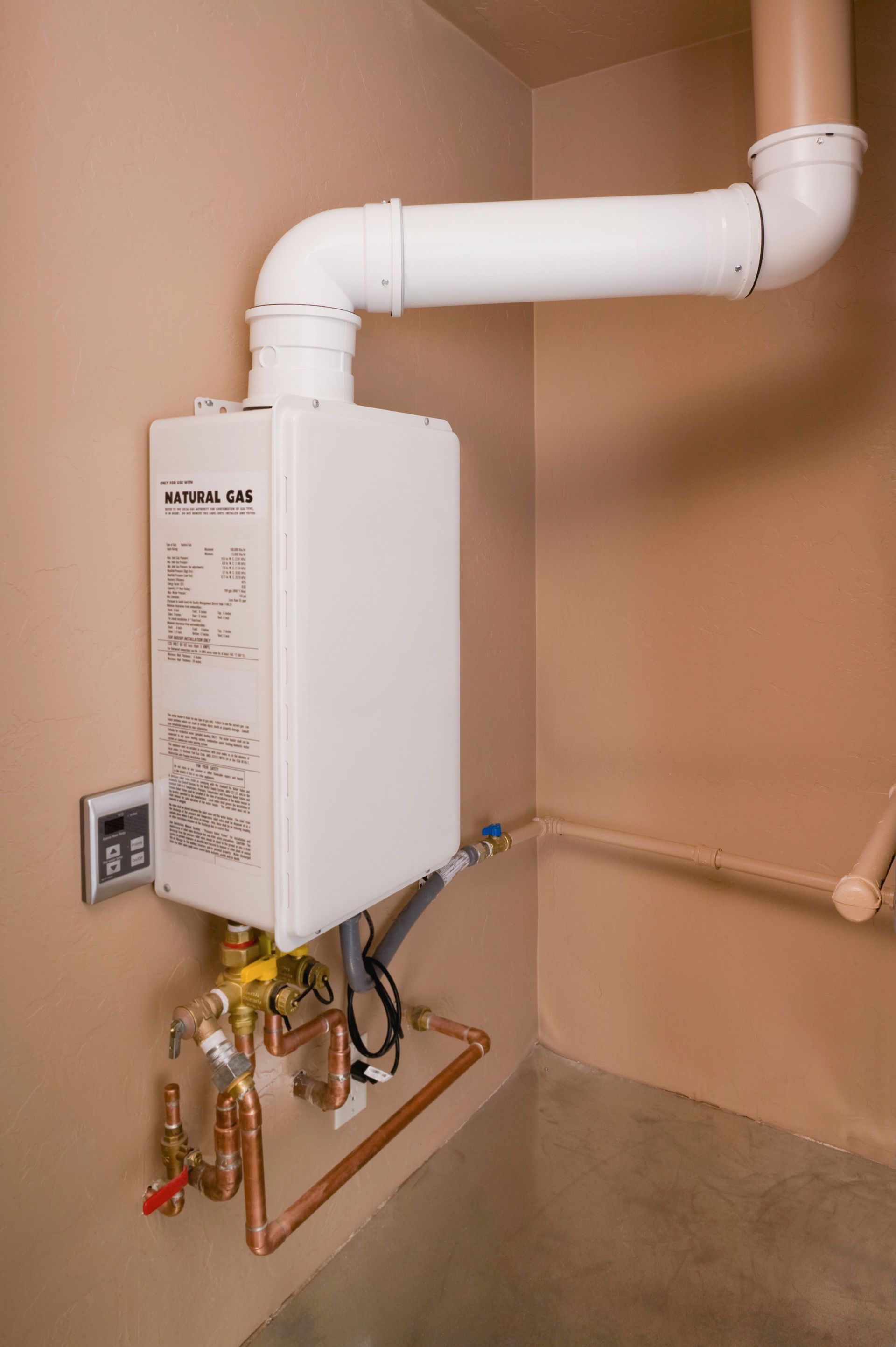
Proper ventilation in a tankless water heater is crucial for its safe and efficient operation. Without adequate ventilation, the system can overheat, leading to potential safety hazards such as fires. Ensuring that the unit is ventilated properly helps the heater manage its temperature and operate without interruption. Homeowners should regularly inspect ventilation paths for obstructions or debris that could impair performance. Regular checks ensure safety and consistent hot water delivery.
Over time, a tankless water heater can develop leaks and corrosion, potentially leading to extensive damage if left unchecked. Regular inspections for signs of leakage or corrosion can prevent these issues from escalating. Spotting these early signs allows for quick intervention, maintaining the heater's functionality and efficiency. Addressing these issues promptly prevents costly repairs and ensures the heater’s longevity. Routine inspections are a vital part of tankless water heater maintenance.
2. Misconception: Any Plumber Can Repair a Tankless Water Heater
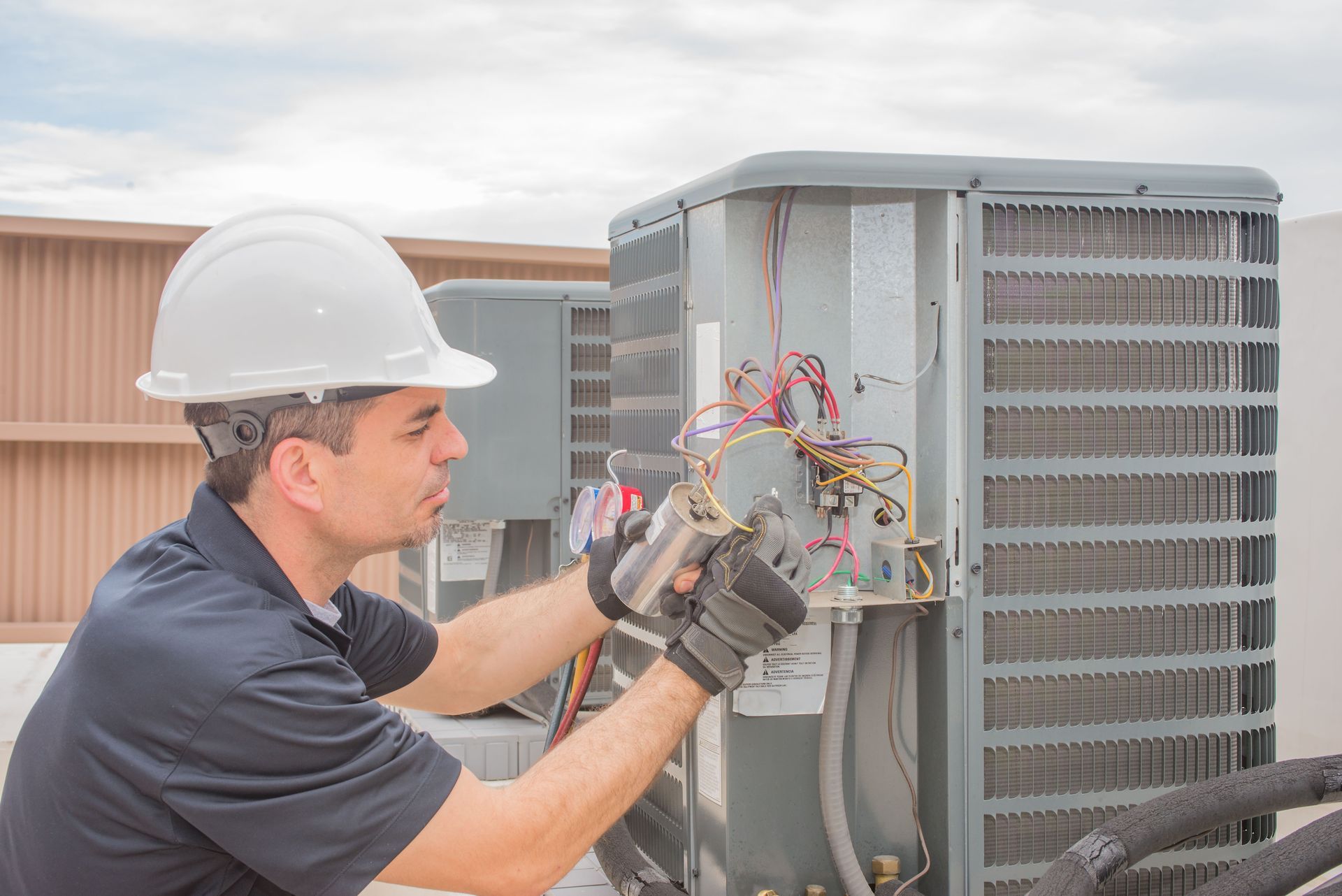
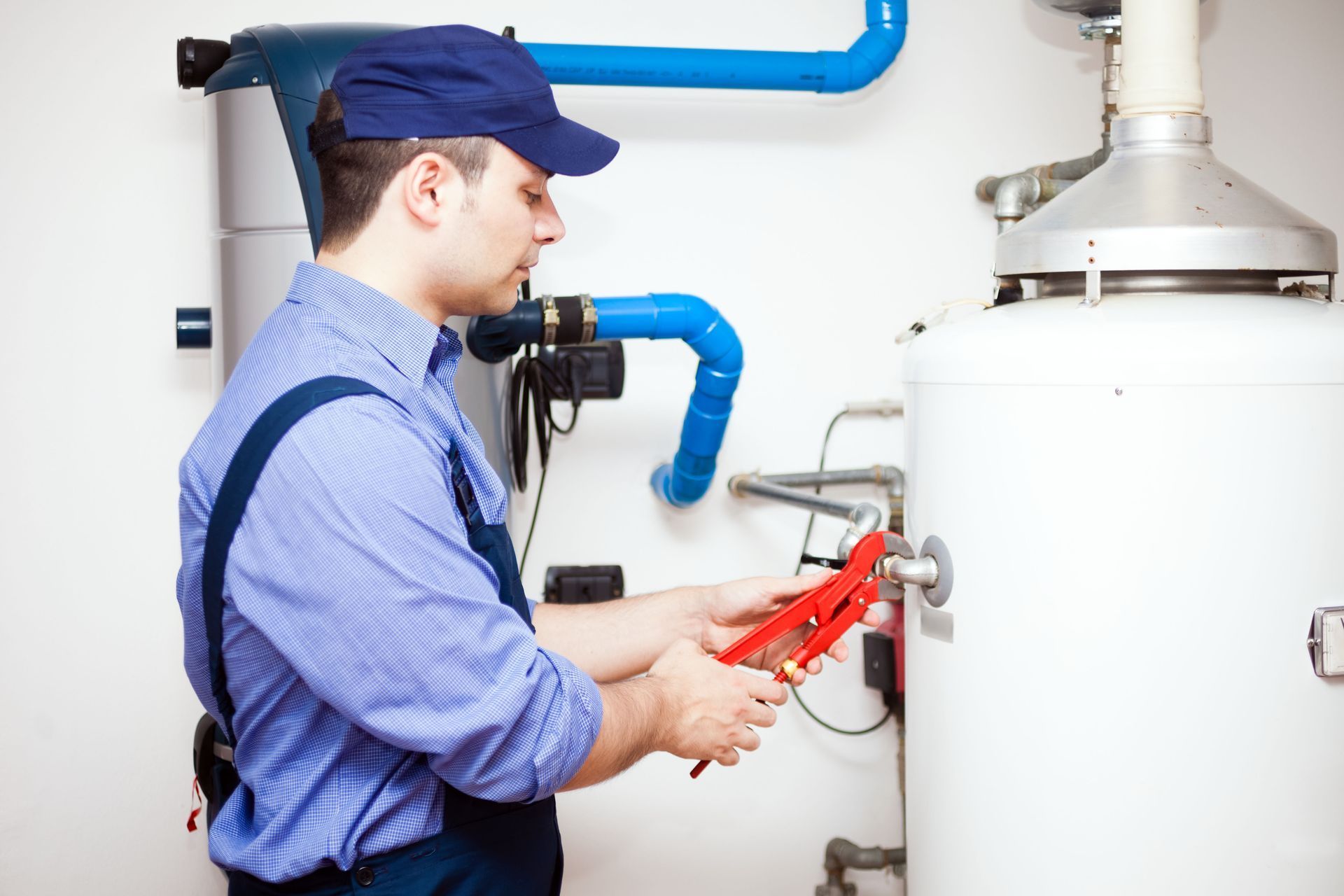
While some might assume any plumber can repair tankless water heaters, specialized knowledge is required. Certified technicians are trained to address the unique components and systems of tankless heaters. They understand the intricacies involved in these advanced systems, which typical plumbers might not be familiar with. Hiring a certified technician can prevent errors that could lead to further issues or void warranties. Their expertise ensures that repairs are carried out safely and effectively.
Tankless water heaters often involve more complex electronics than traditional tank heaters. This complexity means repairs may require familiarity with advanced electronic diagnostics. Certified technicians are usually well-versed in these electronics, allowing them to efficiently identify and resolve issues. Understanding these systems is crucial to maintaining the heater's functionality and avoiding long-term damage. Proper management of the electronic components can prevent system failures and ensure reliable operation.
Tankless water heaters differ significantly by brand, and each may require specific repair protocols that only experienced technicians are familiar with. Each brand may have unique designs, operating systems, and maintenance requirements. Having an expert who understands these distinctions ensures that repairs or maintenance tasks respect the specifications of the model in question. Incorrect repairs not only risk voiding warranties but could also lead to inefficient operation. Opting for technicians experienced in specific brands guarantees quality repairs and extends the life of the heater.
3. Misconception: Tankless Heaters Provide Instant Hot Water
Despite being labeled "instant," tankless water heaters require a moment to heat the water as it passes through the unit. The misconception stems from their ability to provide continuous hot water without running out. However, heating is not instantaneous; there is always a slight delay in hot water delivery. Understanding this process helps in setting realistic expectations about hot water availability and wait times. In many homes, this delay is negligible, but it's important to recognize it when considering a transition from tank-style systems.
The distance between the tankless water heater and the outlet significantly affects hot water delivery times. Homes with extensive pipe networks may experience delays due to the time it takes for heated water to travel from the heater to the faucet. This can result in increased water wastage as users wait for the hot water to arrive. Strategically placing heaters closer to frequently used outlets can minimize these delays. Homeowners should consider layout and usage patterns when installing tankless systems to maximize efficiency.
There are various solutions to mitigate the delay in hot water delivery from tankless heaters. Installing a recirculation pump can significantly reduce the wait time for hot water at distant points in the house. This system keeps heated water circulating within the pipes, ensuring immediate availability at every outlet. However, while this solves the delay issue, it may increase energy consumption, which should be factored into decision-making. Recirculating solutions require an understanding of the household water heating needs and usage patterns to choose the right system.
4. Misconception: Tankless Water Heaters are Immune to Mineral Build-Up
A common issue in tankless water heaters is mineral build-up, especially in regions with hard water. High mineral content in water feeds into the system, leading to accumulation on internal components. These deposits can reduce the heater's efficiency and clog smaller passages, necessitating more frequent maintenance. Understanding local water composition and its impact on the heater is essential for managing these issues. Homeowners can mitigate build-up by employing preventive strategies like regular descaling or installing additional water treatment systems.
When mineral build-up is ignored, it can lead to decreased efficiency and expensive repairs. Accumulated minerals can obstruct water flow, strain heating elements, and increase energy usage. Over time, this may lead to permanent component damage and a shorter lifespan for the heater. Regular maintenance is crucial to prevent build-up from impacting performance and causing costly breakdowns. Addressing mineral accumulation can maintain the heater’s energy efficiency and reduce operational costs.
Installing water softeners is an effective strategy to prevent mineral build-up in tankless water heaters. Water softeners remove excess minerals from incoming water, extending the life and efficiency of the heater. They provide a significant reduction in the need for descaling and other maintenance efforts. With cleaner incoming water, the system faces less wear over time, preserving its functionality. Investing in water softeners can significantly reduce maintenance needs and prolong the life of a tankless unit.
Tankless water heaters offer many advantages, but understanding them requires dispelling common misconceptions regarding their repair and maintenance. Recognizing these myths empowers homeowners to take informed actions, leading to better longevity and performance of their tankless systems. We hope this article has helped shed light on these misconceptions and pointed towards more effective management. Proper care can ensure these systems continue providing hot water efficiently for many years. For homeowners considering or already using tankless systems, being well-informed is the best strategy for seamless operation.
In addition, scheduling regular inspections and working with qualified professionals can further protect your investment and prevent avoidable issues. Routine maintenance, such as descaling and system checks, helps maintain efficiency and reduces the likelihood of unexpected breakdowns. By staying proactive and addressing minor concerns early, homeowners can maximize energy savings, extend the unit’s lifespan, and enjoy consistent hot water without disruption. If you are looking to upgrade your water heater or schedule maintenance in the Charleston, WV area, contact the professionals at Kanawha Valley Maintenance today.