July 24, 2026
Summer brings extreme weather conditions. Rising temperatures require homes to possess durable cooling systems. Preparing residential equipment before intense heat waves arrive remains a critical responsibility. Proactive maintenance ensures uninterrupted climate control. Without proper preparation, mechanical systems face immense strain during peak heat periods. Homeowners must understand the mechanics behind routine system upkeep to prevent sudden breakdowns. Routine attention safeguards property interiors against stifling environmental heat.
Efficient cooling operations reduce monthly energy expenses. Proper maintenance prevents emergency mechanical failures. Residents engaging in proactive preparation enjoy consistent cooling without interruption. Overlooking basic upkeep leads to clogged components and overworked motors. Hiring an air conditioning company prevents scheduling delays. Professionals handle complex technical evaluations, while residents manage basic cleaning tasks. Combined efforts guarantee optimal function. Well-maintained units provide enduring comfort.
Evaluating the Air Filters
Airflow systems rely on porous mesh barriers to trap airborne particles. Dirt accumulates within these barriers over time. Clogged material restricts vital airflow, causing internal mechanisms to exert additional effort. The blower motor strains to push cooled air through dense layers of accumulated dust. This restriction compromises indoor comfort and forces the system to run longer cycles. Extended running times increase energy consumption and burden delicate internal machinery.
Restricted airflow stresses vital internal components. Mechanical stress leads to premature wear on belts and moving parts. Continuous wear causes costly mechanical failures and unexpected system shutdowns. When moving air decelerates, the internal evaporator coil lacks the necessary warmth to prevent freezing. Ice formation stops the cooling process. Thawing a frozen coil leaves the residence without temperature control. Preventative checks stop ice formation.
Routine replacement solves common airflow restriction issues. Clean mesh barriers improve indoor environmental quality for building occupants. Pet dander, pollen, and general household dust remain trapped within the synthetic fibers. Removing these contaminants creates a healthier breathing environment. Clean components allow the blower motor to operate at peak efficiency with minimal effort. Efficient operation preserves equipment lifespans. Visual inspections determine the appropriate replacement time.
Locating the filter housing takes minimal effort for property owners. Residents remove the soiled mesh and insert a fresh replacement into the designated slot. Arrows on the cardboard frame indicate the correct direction for proper airflow. Matching the correct dimensions guarantees a snug fit. An air conditioning company supplies specific sizes upon request for uncommon household configurations. Maintaining a backup supply ensures prompt replacements when airborne debris buildup peaks.
Inspecting the Outdoor Compressor
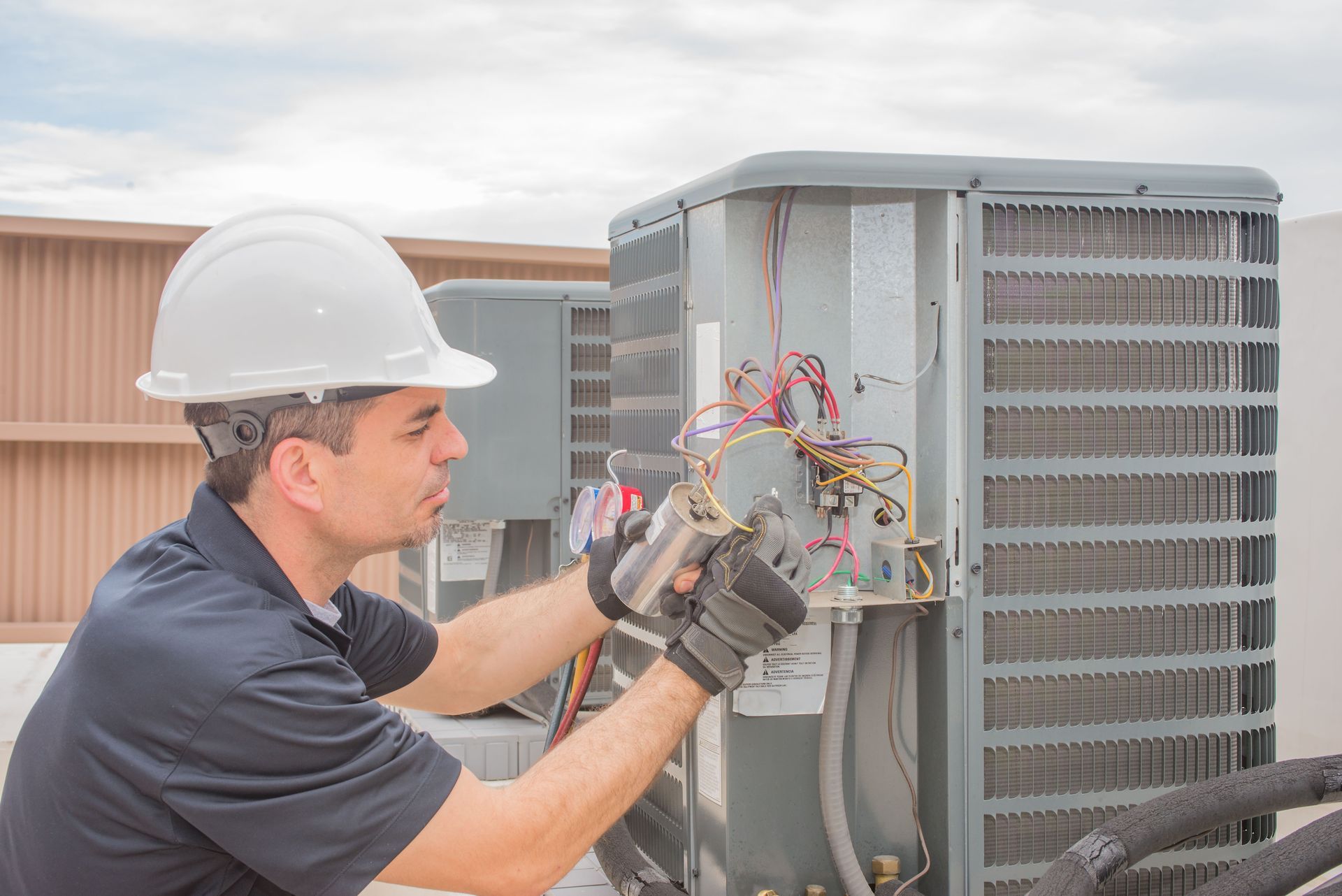
Exterior components endure harsh environmental conditions. Leaves, twigs, and loose dirt surround the metal housing following storms. Environmental debris obstructs vital air circulation around the sensitive condenser coils. The exterior unit needs unobstructed airflow to release captured indoor heat into the outside atmosphere. Blocked vents force the compressor to retain heat, leading to internal overheating. Overheating triggers safety shutoffs or causes permanent damage to the main compressor motor.
Optimal heat dispersion requires ample clear space around exterior machinery. Bushes, tall grass, and decorative shrubs require clearance from the metal grates. Landscaping elements must remain at a safe distance from mechanical components. Yard maintenance around the pad prevents vegetation from growing into the fan blades. Overgrown vines restrict the large exhaust fan located at the top of the enclosure. Maintaining a barren zone guarantees unhindered mechanical respiration.
Gentle water pressure removes surface dirt from external metal fins. Heavy debris extraction requires specialized tools to prevent component damage. Homeowners must avoid damaging delicate metallic fins during clearance efforts. Aggressive cleaning methods bend the thin metal strips, which restricts outgoing airflow. Using a standard garden hose clears accumulated mud without causing structural harm. Avoiding high-pressure washers preserves the fragile metallic geometry.
Bent metallic fins restrict vital heat dispersion processes. A specialized fin comb straightens deformed sections, restoring proper ventilation channels. Severe damage from hail or falling branches warrants professional attention. Crushed panels block significant portions of the exhaust surface area. A reputable air conditioning company possesses the proper equipment to correct severe external damage. Technicians disassemble the outer casing to repair internal components. Restoring the exterior structure ensures efficiency.
Examining the Internal Vents
Internal vents distribute cooled air throughout individual rooms. Furniture, rugs, or heavy drapery cover these essential pathways. Unintentional blockages disrupt temperature balance across the residence. Certain rooms become sweltering while others remain freezing. Homeowners must arrange interior decor to allow free movement from every floor register and wall grille. Unrestricted pathways permit the climate control system to maintain a uniform temperature throughout the structure.
Obstructed vents force the main blower motor to push against immense backpressure. Increased backpressure decreases overall system longevity. Closed registers in unused rooms create identical pressure problems within the hidden ductwork. Opening all interior grilles guarantees proper air distribution and normalizes internal pressure. The system operates under the assumption of an open distribution network. Altering this network strains the fan and creates whistling sounds at the vent openings.
Dust gathers on metallic vent covers over extended periods. Wiping the grilles improves interior aesthetic cleanliness. Clean grilles prevent settled dust from re-entering the breathable atmosphere. Airborne particles settle on the angled slats, forming thick layers of grime. A damp cloth captures these particles without dispersing them into the air. Maintaining spotless vent covers contributes to superior indoor air quality, reflecting a commitment to comprehensive household hygiene.
Examining ductwork for visible gaps proves beneficial. Disconnected joints allow chilled air to escape into attics or crawlspaces. Sealing these gaps preserves thermal energy and directs flow to intended living spaces. Locating hidden leaks requires specialized diagnostic equipment. Contracting an air conditioning company to inspect deep ductwork guarantees maximum airflow delivery. Professionals utilize pressure tests to identify hidden vulnerabilities within the distribution network. Sealed ducts maximize cooling output.
Assessing the Overall Performance
Unusual noises indicate underlying mechanical trouble. Grinding or squealing sounds signal loose belts or failing fan motors. Rattling noises suggest loose hardware vibrating against the metal chassis. Prompt attention to unusual acoustics prevents complete motor failure. Ignoring auditory warning signs leads to extensive mechanical devastation. Mechanical components require lubrication and tight connections to function without generating excess friction. Eliminating friction preserves internal mechanisms and ensures quiet operation.
Weak airflow points to failing compressors or frozen internal coils. Warm air blowing from room registers signals a lack of crucial refrigerant. Cooling systems retain refrigerant under normal operating conditions. Low chemical levels indicate a puncture within pressurized copper lines. Locating and sealing line punctures requires specialized technical expertise. Handling pressurized chemical coolants involves strict environmental regulations. Property owners must rely on professional technicians to manage chemical replenishments.
Aging equipment struggles during extreme temperature spikes. Constant mechanical repairs signal the need for complete system replacement. Outdated machinery consumes excessive electricity while delivering subpar climate control. New installations offer superior cooling capabilities and advanced environmental controls. According to HomeGuide, new AC units are 20% to 40% more energy efficient than models manufactured over 10 years ago. Upgrading outdated infrastructure transforms household comfort levels without operational strain.
Modern installations reduce monthly utility expenses through optimized energy consumption. Advanced technology provides consistent humidity control alongside standard temperature regulation. Smart thermostats integrate with modern equipment to monitor usage patterns. These integrations maximize comfort while minimizing unnecessary power drain. Consulting an experienced air conditioning company helps property owners select the perfect replacement unit. Technicians calculate square footage to recommend the appropriate mechanical size, ensuring the installation dehumidifies living spaces.
Consistent structural upkeep extends expected mechanical lifespans. Minor physical adjustments prevent major mechanical failures during peak operational seasons. Evaluating performance metrics guarantees the machinery operates at peak capacity. Recognizing limitations in aging equipment prompts necessary modern upgrades. When complex mechanical issues arise, seeking assistance from a reliable air conditioning company guarantees professional resolution and continued household comfort. Prepared residences remain refreshing sanctuaries regardless of soaring external temperatures. Contact us at Kanawha Valley Maintenance to schedule routine system inspections before extreme heat arrives. Selecting a professional
air conditioning company ensures uninterrupted residential comfort during peak summer conditions.