November 11, 2026
Maintaining your HVAC system is crucial for the overall well-being of your home environment. Not only does it ensure that heating, ventilation, and air conditioning systems function efficiently, but it also saves on costs and provides significant health benefits. In this comprehensive article, we delve into the specific reasons why regular maintenance is essential and offer tips for effectively managing your HVAC system. As homeowners, understanding the intricacies of these systems can be daunting, but grasping the basics allows for better decision-making and preventative care. Ultimately, incorporating routine check-ups and maintenance can lead to a more comfortable, efficient, and healthier living space.
Understanding HVAC Systems
Components and Functionality
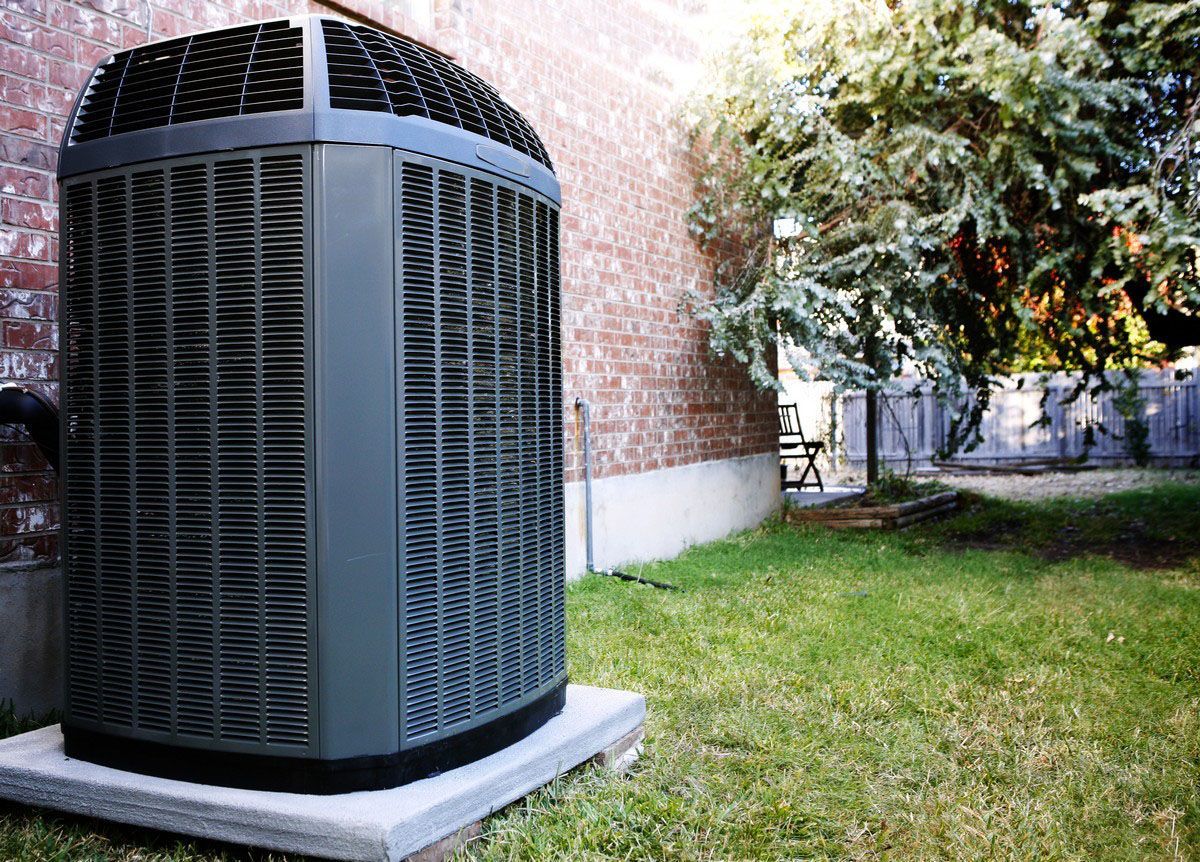
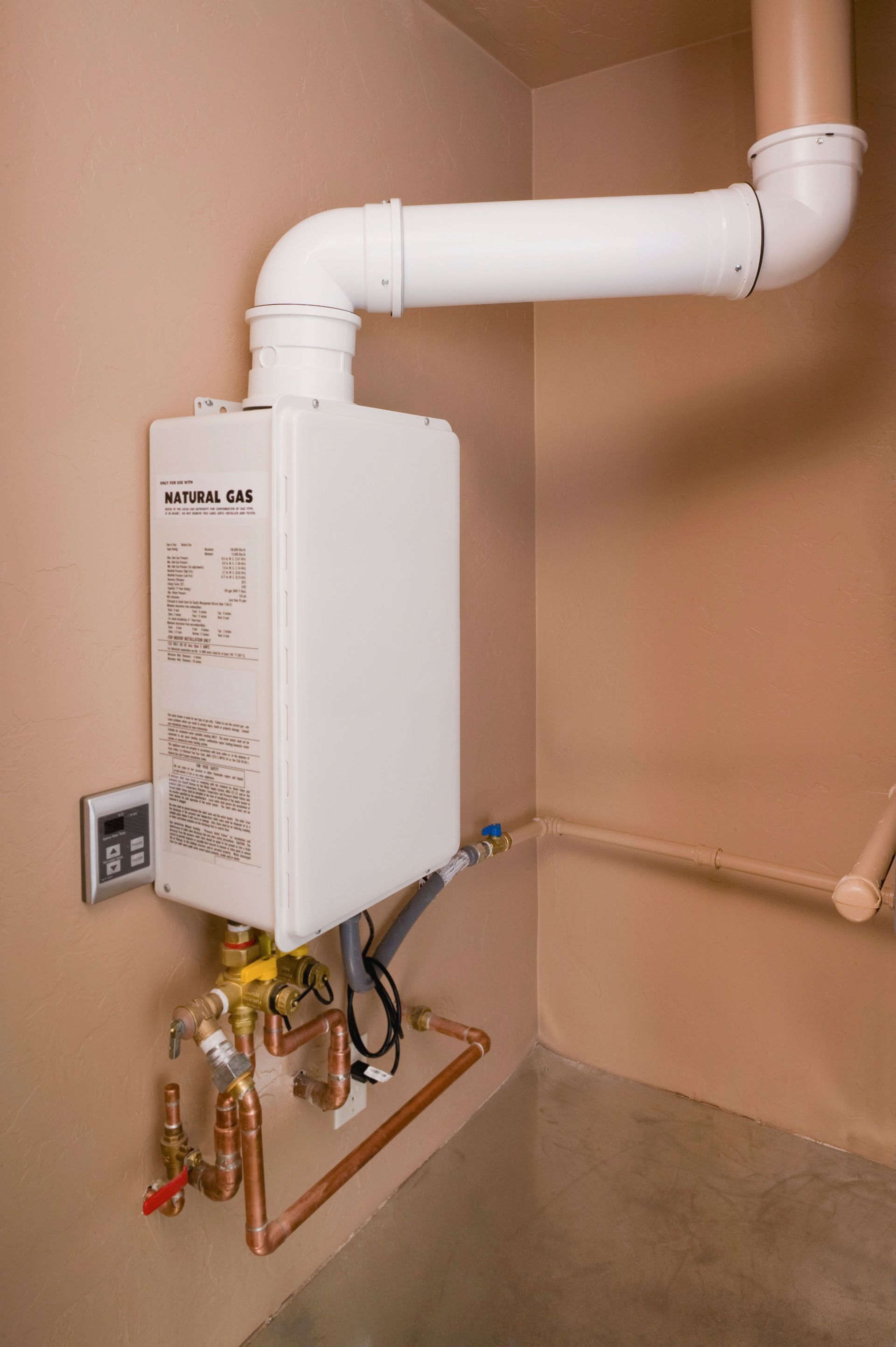
An HVAC system is an intricate assembly of components that work together to provide heating, ventilation, and cooling to your dwelling. Key components include the furnace, air conditioner, heat pump, duct system, and thermostat. The furnace or heat pump serves as the heat source, while the air conditioner is responsible for cooling the air. Ductwork plays a crucial role in distributing the conditioned air to different parts of the house. Understanding these components helps homeowners recognize the importance of keeping each element in top working condition through regular maintenance.
Different Types of HVAC Systems
There are several types of HVAC systems available, catering to the diverse needs of homes and environmental conditions. Central HVAC systems are the most common, utilizing a network of ducts to heat or cool an entire house. Split systems, on the other hand, have separate units for heating and cooling, typically involving an outdoor compressor and an indoor air handler. Ductless systems, also known as mini-splits, are ideal for homes without ductwork, offering zoned heating and cooling. Each type has unique maintenance requirements, and understanding these systems' differences is key to ensuring they operate effectively.
Common Issues with HVAC Systems
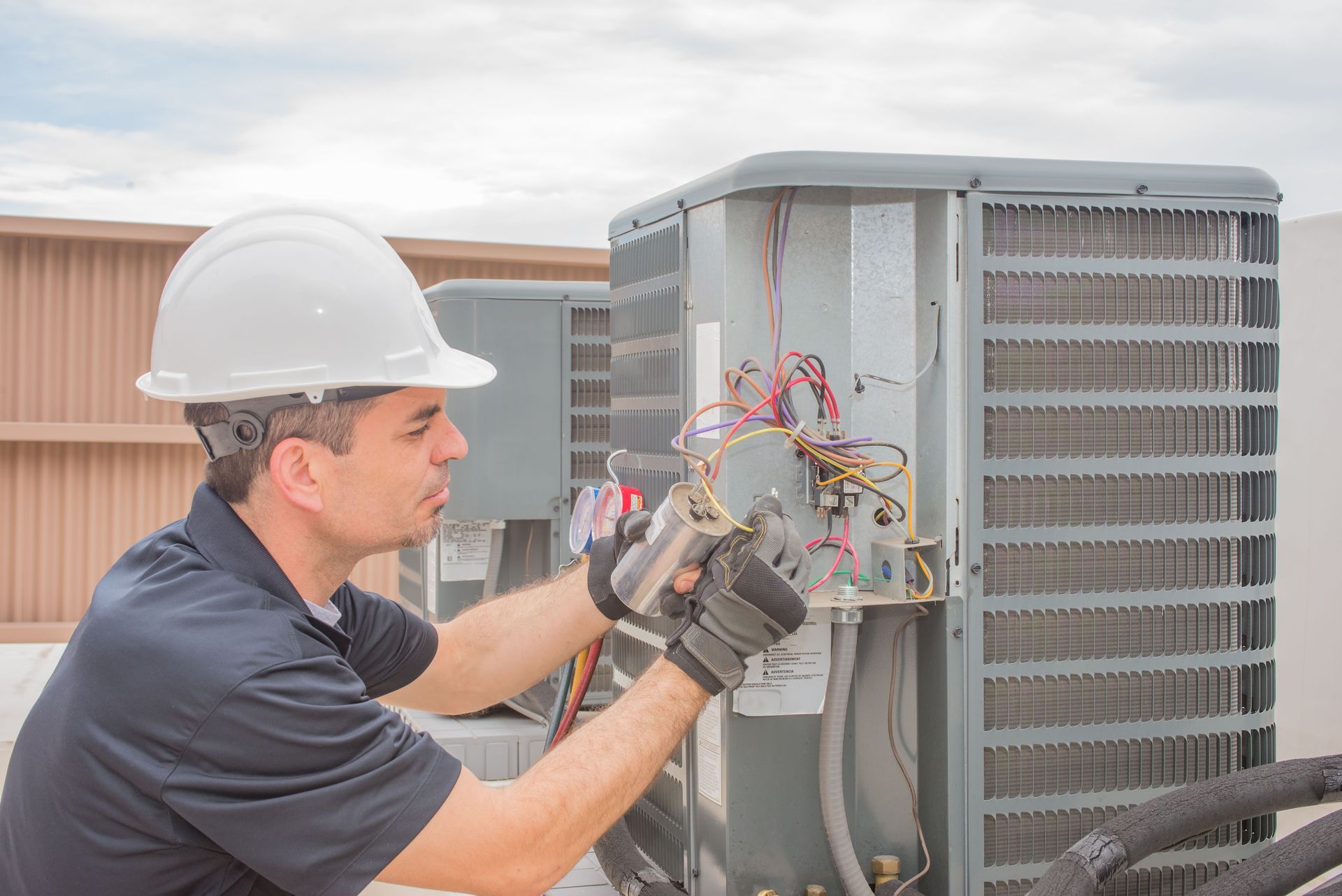
Many common HVAC issues stem from inadequate maintenance, leading to inefficiencies and potential malfunctions. Dirty filters, for example, can restrict airflow, forcing the system to work harder and consume more energy. Refrigerant leaks, obstructions in ductwork, and electrical failures are other typical problems that arise without regular check-ups. These issues not only degrade performance but also increase energy costs and shorten the lifespan of the system. Proactive maintenance can identify and address these problems before they lead to costly repairs.
Role of HVAC Systems in Energy Efficiency
Energy efficiency is paramount in today's eco-conscious world, and well-maintained HVAC systems play a vital role in minimizing energy consumption. Regular inspections and cleanings ensure that all components operate efficiently, reducing the amount of energy needed to maintain comfortable indoor temperatures. Preventative measures, such as checking the refrigerant levels and insulating ductwork, can further enhance energy efficiency. Homeowners who invest in routine maintenance often see a significant reduction in their energy bills. Moreover, these practices contribute to a smaller carbon footprint, promoting environmental sustainability.
The Lifespan of HVAC Systems
Regular maintenance plays an essential role in extending the life of an HVAC system, preventing premature breakdowns and ensuring reliable performance. A well-maintained HVAC system can last up to 25 years, according to Bob Vila, making it a worthwhile investment for homeowners. Scheduled upkeep, such as cleaning coils, lubricating moving parts, and replacing filters, helps each component function optimally. Neglecting maintenance can lead to a shorter system lifespan, resulting in expensive replacements sooner than necessary. Consistent maintenance efforts can maximize the system's longevity and protect your investment.
Considering Cost Benefits of Regular HVAC Maintenance
Reduced Repair Costs
Proactive maintenance can lead to significant cost savings by reducing the frequency and severity of repairs. Addressing minor issues before they escalate prevents costly emergency repairs and system failures. Regular inspections allow HVAC professionals to identify worn-out parts or potential problems early, replacing or fixing them before they cause damage to the system. This strategy not only saves money but also prevents the disruption and inconvenience of unexpected breakdowns. Homeowners who prioritize routine maintenance often enjoy more reliable performance and fewer unexpected expenses.
Lower Energy Bills
Efficient HVAC systems translate directly into lower energy bills, providing substantial savings over time. Clean filters and well-maintained components allow the system to operate at optimal efficiency, using less energy to maintain desired temperatures. Regular maintenance can improve system efficiency by up to 30%, significantly impacting monthly utility costs. Investing in energy-efficient practices also aligns with environmental conservation efforts, reducing your carbon footprint. Lower energy bills not only benefit your wallet but also contribute to a sustainable future.
Increased Property Value
A well-maintained HVAC system can enhance your property's value, appealing to potential buyers. Homebuyers often consider system condition and energy efficiency when evaluating a property's worth. Up-to-date maintenance records demonstrate diligence and care, instilling confidence in prospective buyers. Investing in regular upkeep can yield higher resale value, providing a return on investment. Additionally, energy-efficient systems are often eligible for green certification, further increasing your home's marketability.
Budget-Friendly Maintenance Plans
Many HVAC service providers offer budget-friendly maintenance plans that spread costs over time, making it easier for homeowners to afford regular services. These plans typically cover seasonal inspections, cleaning, and discounted repair services. By enrolling in a maintenance plan, you can ensure consistent care without the burden of large, unexpected expenses. Additionally, routine checks included in these plans help maintain system efficiency, providing long-term savings. Such plans often include priority scheduling, offering peace of mind when service needs arise.
Considering Health and Environmental Benefits
Indoor Air Quality Improvement
Regular HVAC maintenance is instrumental in maintaining indoor air quality, crucial for a healthy living environment. Clean filters and ductwork prevent allergens, dust, and pollutants from circulating throughout your home. Consistently changing filters reduces the risk of respiratory issues and allergies associated with poor air quality. Additionally, professional maintenance can identify issues like mold growth, improving both air quality and system performance. Prioritizing air quality ensures comfort and health for all household members.
Reducing Carbon Footprint
Efficient HVAC systems contribute to environmental conservation by reducing energy consumption and carbon emissions. Regular maintenance ensures that systems use energy optimally, minimizing the environmental impact. Homeowners committed to green practices contribute to broader sustainability efforts, aligning with global conservation goals. An energy-efficient system consumes less power, reducing reliance on fossil fuels and shrinking your property's carbon footprint. These efforts, though individual, collectively support efforts to combat climate change.
Prevention of Mold and Allergens
Poorly maintained HVAC systems can become breeding grounds for mold and allergens, posing health hazards. Regular inspections and cleaning prevent the accumulation of moisture and debris, crucial for inhibiting mold growth. Well-maintained systems also ensure proper ventilation, reducing humidity levels that can foster mold and pests. Taking preventive measures through scheduled maintenance safeguards your household from allergens and associated health risks. A clean system promotes a healthier indoor environment, enhancing overall quality of life.
The Role of Regular Filter Changes
The importance of regular filter changes cannot be overstated, crucial for both air quality and system longevity. Dirty filters restrict airflow, burdening the system and reducing its efficiency and lifespan. Changing filters every one to three months ensures optimal airflow and minimizes wear on the system components. Clean filters also enhance indoor air quality by trapping dust, pollen, and other pollutants. This simple yet critical maintenance task supports both efficient system performance and healthier living conditions.
Regular HVAC maintenance is a wise investment, offering a multitude of benefits, from financial savings to improved health and environmental protection. By incorporating routine check-ups and proactive care, homeowners can extend their HVAC system's lifespan and reduce energy costs. Prioritizing maintenance also ensures superior indoor air quality and contributes to a more sustainable future through energy-efficient practices. As technology continues to advance, embracing smart solutions and professional expertise can further optimize system performance. If you're looking for expert HVAC services, contact Kanawha Valley Maintenance today.