November 21, 2026
Homeownership brings immense satisfaction, but few household challenges spike stress quite like a sudden puddle under the sink or a gurgling pipe behind the wall. While tackling a weekend repair with a wrench and thread-seal tape is empowering and economical, plumbing mishaps can escalate into catastrophic water damage within minutes. Knowing where your personal capabilities end and where specialized expertise begins is the key to maintaining a safe, comfortable, and dry household.
Clearing Obstructed Drains and Waste Lines
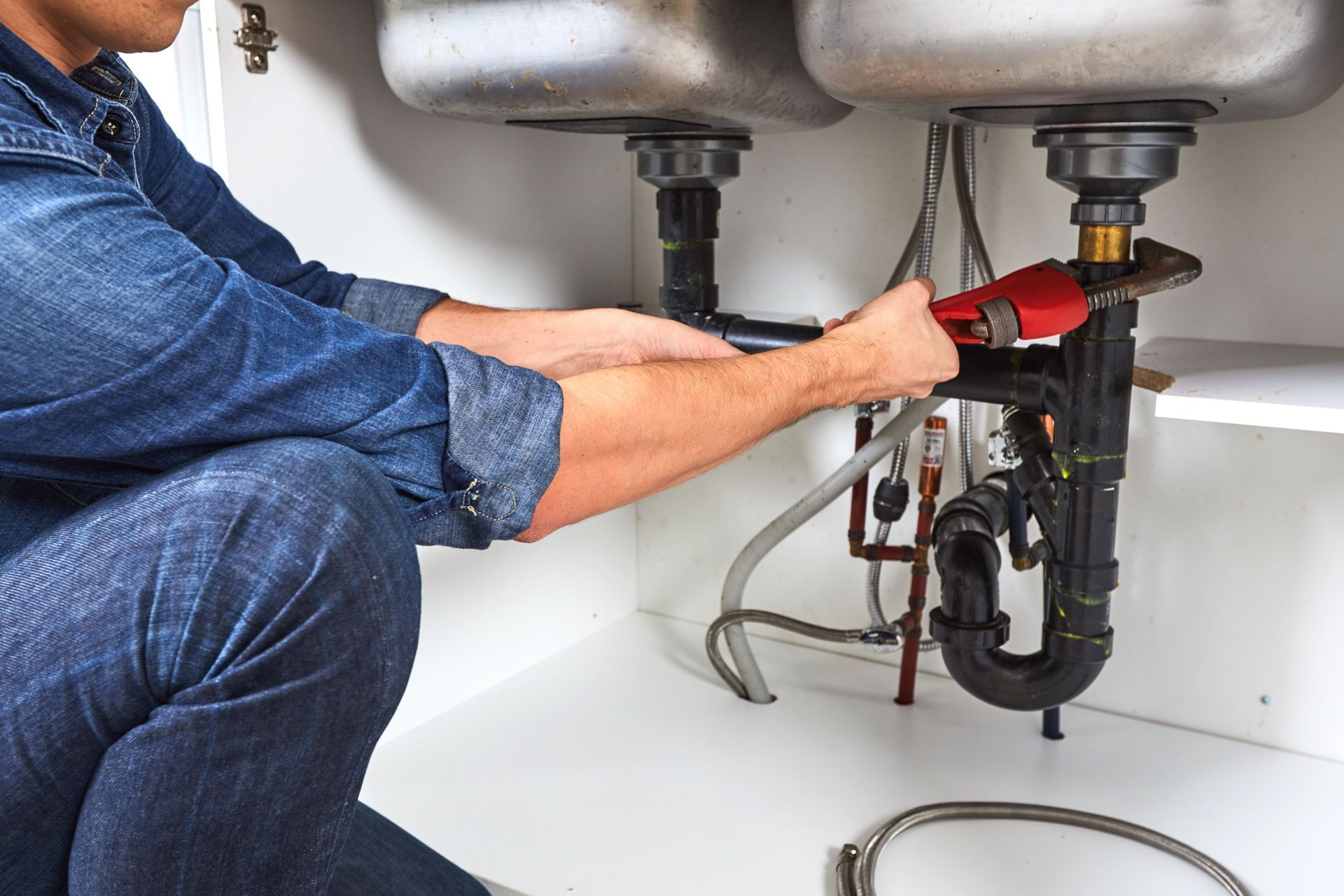
A sluggish drain in a bathroom or kitchen is a common nuisance that usually allows for an immediate self-directed fix. When a bathroom sink or tub backs up, the culprit is almost always hair and soap scum collected near the surface. You can clear this obstruction without harsh chemicals by removing the drain stopper and guiding a flexible plastic snake down the opening to pull out debris. For kitchen sinks where grease accumulates, pouring boiling water followed by baking soda and vinegar dissolves light organic buildup naturally. Even unscrewing the curved P-trap beneath the basin over an empty bucket is manageable for homeowners seeking to clear trapped clogs directly.
However, certain drainage symptoms signal severe trouble deep inside the waste piping. For example, if multiple fixtures across separate rooms back up simultaneously, or if running your washing machine causes wastewater to surge into your shower, you are dealing with a compromised main sewer line. When whole-house backups or persistent sewer odors arise, it is time to summon a licensed plumber before hidden pipe joints fail under mounting pressure.
Silencing Constantly Running Toilets
A toilet that runs perpetually wastes dozens of gallons daily while creating an irritating hum throughout your home. Fortunately, the internal components of a gravity-flush toilet tank are inexpensive, accessible, and isolated from high water pressure. If water trickles into the bowl non-stop, the issue typically stems from a warped flapper, an improper float, or an aging fill valve. Removing the tank lid lets you inspect the flapper for mineral buildup. Installing a universal replacement flapper or a complete fill valve kit requires only an adjustable wrench, a sponge for residual water, and thirty minutes of patient effort.
While replacing internal tank components is a simple DIY project, problems originating at the base require specialized intervention. For example, if you observe wastewater seeping onto the floor around the base, the wax ring underneath has failed. Lifting a heavy toilet risks cracking the ceramic, and repairing rotted subflooring requires carpentry skills. In scenarios involving an unstable base, persistent sewer odors, or damaged floor flanges, calling a professional plumber ensures the fixture is reset correctly and the subfloor remains dry.
Remedying Dripping Faucets and Fixtures
A steady drip from a sink faucet inflates water bills and leaves mineral discoloration in the basin. In modern fixtures, chronic dripping is almost universally caused by degraded internal components like cracked washers, worn O-rings, or damaged cartridges. Tackling this repair is straightforward once you shut off the water supply stops beneath the vanity. After removing the decorative handle cap and unfastening the screw, unthread the retaining nut to extract the cartridge. Bringing this part to a hardware store ensures an exact replacement, which you can lubricate with silicone grease and install to halt the leak.
Complications arise when older fixtures resist disassembly or when internal leakage extends behind finished surfaces. For example, if shutoff valves beneath the sink are seized with corrosion, forcing them can snap copper tubing inside the wall. Similarly, if moisture continues pooling inside the vanity framing, the internal brass valve body may have cracked. When confronted with heavily corroded connections, broken valve castings, or hidden wall leaks, a skilled plumber should be brought in to re-seat the fixture and run fresh supply lines.
Servicing Domestic Water Heating Systems
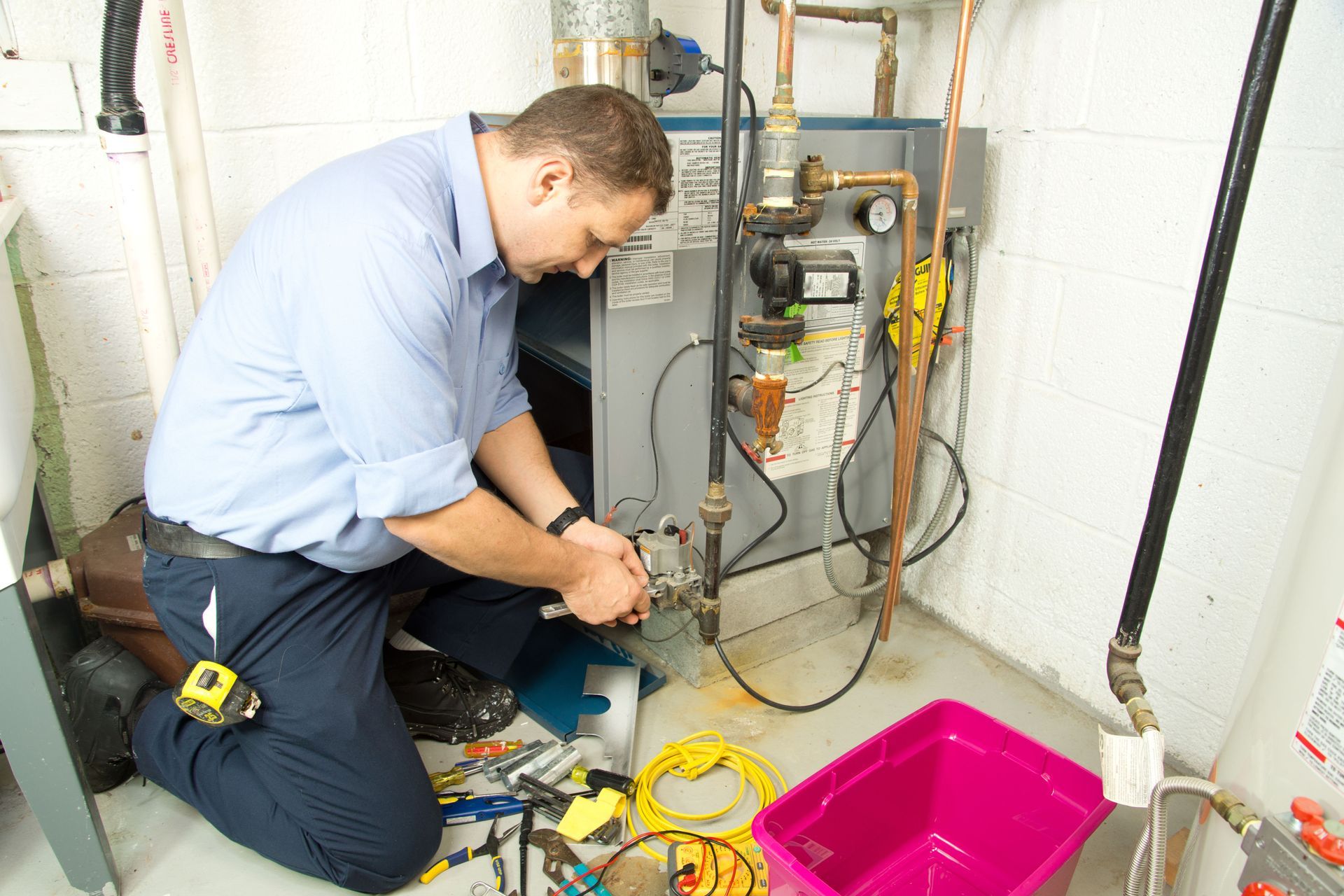
Maintaining hot water is essential for daily comfort, making preventative appliance upkeep a high priority for homeowners. Routine maintenance on conventional tank water heaters is relatively simple for careful amateurs. Flushing sediment from the tank annually prevents mineral buildup, eliminates burner rumble, and maximizes heating efficiency. This chore involves turning off the breaker or gas valve, connecting a garden hose to the drain bibb, and directing discolored water outdoors. Testing the temperature and pressure relief valve by tripping the test lever also confirms that this safety mechanism operates freely.
Modern on-demand systems likewise gain immense efficiency from regular descaling procedures to maintain peak performance. According to Fixr, tankless water heaters typically provide an operational lifespan of 15 to 20 years, making routine maintenance well worth the effort. Circulating food-grade vinegar through the heat exchanger with a small utility pump dissolves hardened calcium scale safely. However, serious problems require immediate intervention. For example, if you discover active puddles surrounding the heater base or detect gas odors, you will need an experienced plumber to inspect internal components and replace failing elements safely.
Managing Vulnerable Frozen and Exposed Pipes
During severe winter freezes, uninsulated water lines in crawlspaces, exterior walls, and drafty basements are vulnerable to freezing temperatures. As trapped water freezes, it expands with tremendous force, forming rigid blockages that starve fixtures and threaten to rupture pipe walls. If turning on a faucet yields only a faint trickle during subfreezing weather, you can resolve the situation independently if the pipe is exposed and intact. Keeping the tap open while applying gentle, indirect heat with a hair dryer or warm towels gradually melts the ice plug. Open flames must never be used, as intense heat can split pipes and ignite surrounding insulation.
Unfortunately, freeze events can quickly escalate into devastating emergencies without warning. For example, the most dangerous moment arrives when the ice plug thaws, exposing hairline fractures that formed under pressure. If a thawing line begins spraying pressurized water inside wall cavities, or if the frozen run is trapped beneath concrete, DIY remedies are no longer viable. After shutting off the primary water supply to stop flooding, reaching out to an emergency plumber is critical to locate the rupture and replace damaged pipe sections before structural rot takes hold.
Replacing Outdated Supply Valves and Lines
Upgrading plumbing fixtures often reveals aged braided hoses and corroded shutoff valves nearing the end of their reliability. Swapping out a flexible washing machine hose or an under-sink supply line is an ideal entry-level project that strengthens household defense against unexpected flooding. Modern stainless-steel braided lines include integrated rubber washers that need only hand-tightening followed by a quarter-turn with a wrench to achieve a watertight seal. Homeowners can also install push-to-connect valves on exposed pipes whenever updating an old fixture requires replacing stubborn angle stops. Replacing brittle rubber laundry lines with braided metal alternatives eliminates a primary culprit of residential water damage.
Nevertheless, tampering with broader water distribution networks introduces substantial liability when dealing with aging galvanized iron or fragile polybutylene systems. For example, if turning an old shutoff valve causes the pipe nipple to shear off inside the wall, pressurized water will immediately flood the room. Furthermore, replacing main pressure-reducing valves or rerouting supply manifolds requires adherence to municipal codes and precision soldering skills. When a valve replacement uncovers crumbling pipe threads or demands cutting into the incoming service line, handing the project off to a qualified plumber will guarantee that the main shutoff is handled properly without compromising municipal connections.
Taking pride in your home means knowing how to address minor leaks and clogs with patience, preparation, and the right household hand tools. However, true wisdom lies in recognizing when a repair carries the potential for structural ruin, code violations, or hazardous contamination. When the scope of a plumbing project pushes past basic mechanical maintenance into pressurized lines or primary drains, stepping aside protects your property, your family, and your peace of mind. For more on when you might need a professional plumber, please contact Kanawha Valley Maintenance today.