November 21, 2026
A home heating system represents one of the most substantial mechanical investments any property owner will make. Ensuring that this complex machinery operates reliably through freezing winter temperatures requires consistent attention rather than passive neglect. Investing in routine professional maintenance not only wards off unexpected mid-season failures but also significantly lengthens the operational lifespan of the entire installation.
Preserving Core Components Through Comprehensive Cleaning
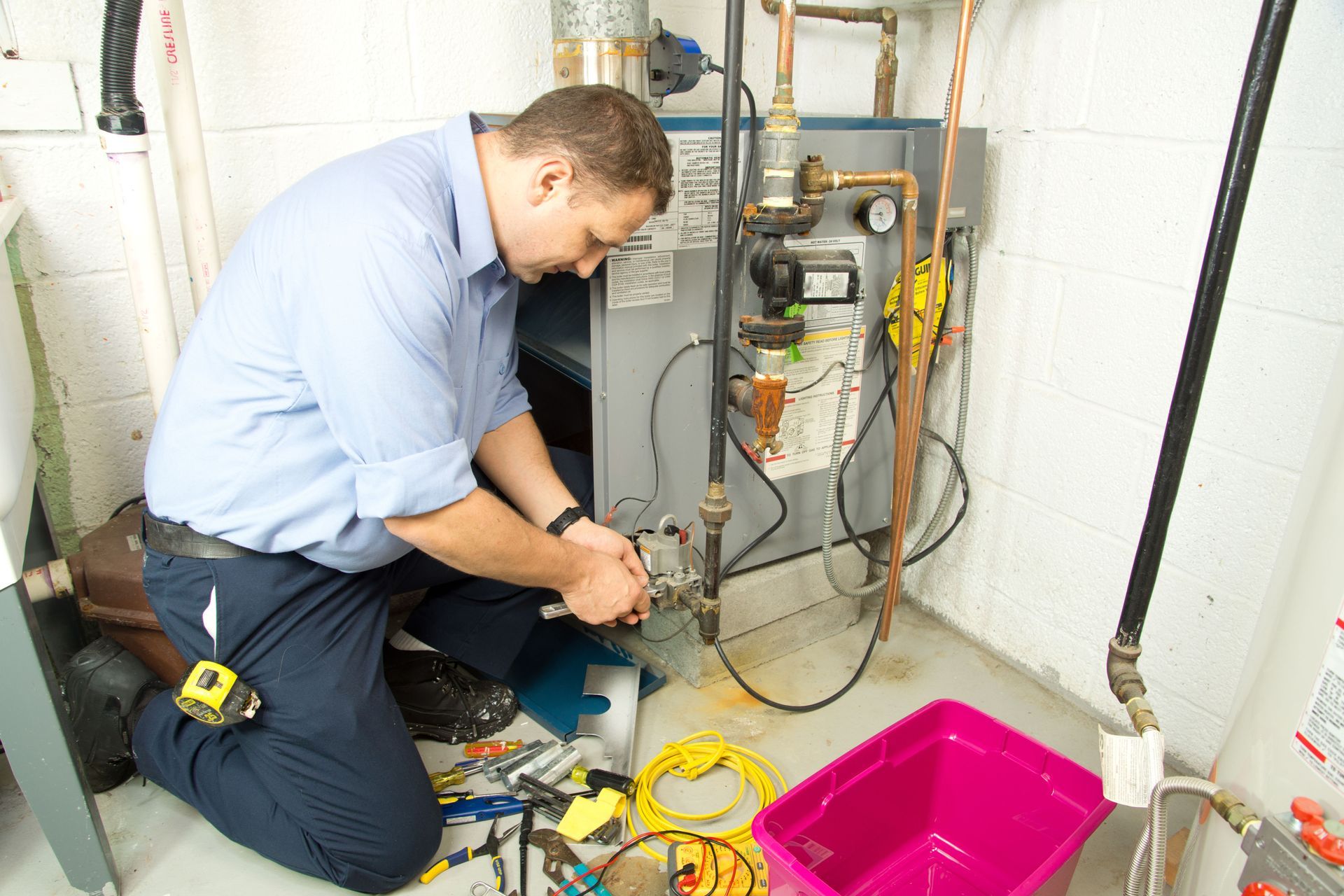
Throughout months of continuous operation, airborne dust, pet dander, soot, and ambient debris accumulate across interior mechanical surfaces. When these contaminants settle onto critical parts like the blower motor, heat exchanger, and ignition assemblies, they create an insulating blanket that traps heat and forces the motor to draw extra electrical current. Restricted airflow forces components to operate far above their engineered thermal tolerances, which inevitably leads to metallurgical fatigue and electrical burnout. By scheduling regular inspections, homeowners ensure that these sensitive surfaces are methodically cleaned and restored to pristine condition.
Engaging a qualified heating company guarantees that the cleaning process penetrates beyond surface-level air filters to address deep-seated residue inside burners and blower wheels. Technicians utilize specialized brushes, vacuums, and solvents designed specifically for sensitive HVAC metals. Removing this accumulated grime reduces unnecessary mechanical resistance, keeping working temperatures stable and preventing friction-induced decay. Furthermore, clean internal components allow air to circulate freely across the heat exchanger, drastically reducing thermal stress cycles that cause structural cracking. Keeping vital parts immaculate season after season minimizes overall degradation, directly postponing the need for an expensive premature system replacement.
Identifying Mechanical Wear Through Early Diagnostic Testing
Mechanical assemblies are constantly subject to physical stress, rotational friction, and thermal expansion during active operation. Bearings gradually lose lubrication, blower fan belts stretch and develop micro-cracks, and electrical connections loosen as metals expand and contract. Left unaddressed, a minor issue such as an off-balance fan wheel or a slipping belt can trigger a chain reaction that damages the motor shaft and housing. During a routine diagnostic visit, an experienced technician from a reputable heating company can spot microscopic fractures, excessive vibration, and electrical voltage discrepancies long before they culminate in complete system shutdown.
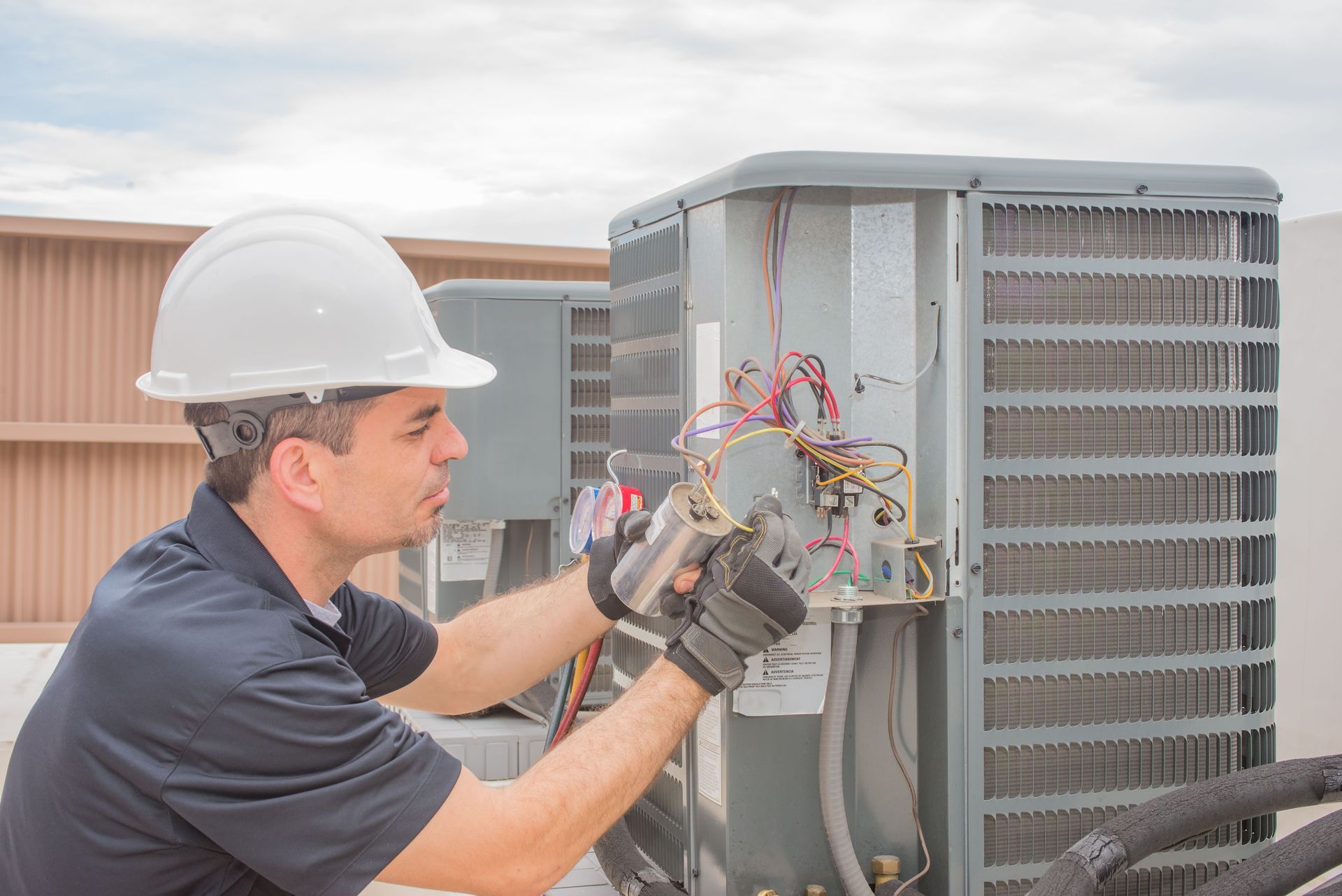
Technicians use diagnostic instruments like thermal imaging cameras, multimeters, and acoustic sensors to evaluate internal health without dismantling the furnace. Lubricating dry ball bearings and retorquing electrical terminals stabilizes power distribution, preventing dangerous voltage surges that destroy sensitive circuit boards. Replacing a worn capacitor or a fraying fan belt costs a mere fraction of a major blower replacement while shielding interconnected machinery from secondary trauma. By routinely resolving localized friction and electrical irregularities, preventive care neutralizes small physical defects that would otherwise shorten viable service years.
Maximizing Fuel Efficiency Through Precise System Calibration
An inefficient heating unit must operate longer and consume substantially more energy to achieve the target temperatures registered on your household thermostat. When burners become misaligned or fuel nozzles clog, combustion efficiency degrades, creating erratic flame patterns that fail to generate adequate thermal output per unit of fuel consumed. This persistent inefficiency forces the system into prolonged heating cycles, multiplying the runtime hours accumulated over a single winter. Allowing a dedicated heating company to tune the combustion chamber, adjust manifold gas pressures, and verify temperature rise dynamics optimizes heating efficiency while minimizing continuous mechanical strain.
During these calibrations, technicians test fuel-air ratios using flue gas analyzers to ensure that combustion remains clean and complete. When burner flames are properly calibrated and drafts are adjusted to optimum static pressure, the heating cycle runs smoothly and terminates promptly once thermostat settings are fulfilled. Shortened, precise operating cycles drastically curtail the cumulative wear and tear suffered by motors, igniters, and safety relays each winter. Minimizing running hours without sacrificing comfort prevents internal components from aging prematurely, ensuring that the equipment retains mechanical vitality across decades of service.
Protecting Household Safety Through Rigorous Combustion Checks
Safety considerations and equipment longevity are intrinsically linked in any combustion-based heating appliance. Natural gas, propane, and fuel oil heaters produce volatile byproducts including carbon monoxide, nitrogen dioxide, and water vapor that must be safely drafted away from living spaces. If venting pipes become obstructed or diverters corrode, acidic exhaust gases accumulate inside the appliance casing. Inviting a licensed heating company into your home for safety checks ensures that venting pipes, draft hoods, and chimney flues remain clear of obstructions and internal corrosion.
Technicians carefully examine the heat exchanger for hairline fissures, pinhole perforations, and metal fatigue that could compromise the physical separation between combustion gases and indoor air. Identifying moisture accumulation early prevents acidic condensation from eating through internal metal housings and electronic igniters. Routine testing of limit switches and rollout sensors guarantees that hazardous operational parameters trigger immediate shutdowns rather than uncontrolled thermal runaway. Maintaining structural integrity across all venting channels protects structural components from accelerated corrosion, creating an operational environment where hardware can thrive safely for its full intended lifespan.
Recognizing Equipment Fatigue Through Timely Technical Assessments
Even with meticulous preventative care, every piece of mechanical equipment eventually approaches the boundary of its economic and functional utility. According to This Old House, while many residential heating units are engineered to endure for two to three decades, systems surpassing the fifteen-year threshold frequently warrant replacement if homeowners encounter escalating utility bills, uneven temperatures, strange mechanical noises, visible corrosion, or recurrent operational breakdowns. Distinguishing between a routine maintenance requirement and terminal obsolescence requires an objective technical evaluation.
As structural components age past the mid-life mark, repairing cracked heat exchangers or obsolete variable-speed blower motors often exceeds the depreciated value of the equipment itself. In these delicate transitional moments, a trustworthy heating company will provide an honest assessment regarding whether another repair represents a sound investment or merely delays the inevitable. Professional monitoring tracks historical efficiency drops and chronic component fatigue, giving property owners ample time to budget for a modern replacement before an unexpected outage. Recognizing when aging hardware begins imposing an unsustainable maintenance burden ensures that homeowners extract maximum return without gambling on total heating failure during subzero weather.
Sustaining Long-Term Value Through Consistent Annual Care
Equipment longevity rarely results from sporadic, reactive repairs performed only during sudden system failures. Equipment that reliably reaches the upper bounds of its engineering potential is backed by a structured program of scheduled seasonal attention. Establishing an ongoing relationship with an established heating company creates a verifiable maintenance log that tracks equipment performance, parts replacement histories, and baseline diagnostic readings over time. This longitudinal documentation proves invaluable when technicians evaluate gradual drops in static pressure or electrical performance, allowing them to anticipate component degradation seasons before failure occurs.
Routine service visits scheduled every autumn prepare systems for the brutal workload of winter, catching dust accumulation, moisture intrusion, and pest damage before the thermostat calls for heat. Structured maintenance agreements frequently include priority emergency response, comprehensive seasonal tune-ups, and scheduled filter deliveries that simplify household upkeep. By entrusting seasonal maintenance to seasoned specialists, property owners protect their manufacturer warranties from invalidation due to deferred care. This deliberate, proactive commitment preserves mechanical tolerances, minimizes cumulative operating stress, and guarantees that your heating asset delivers reliable warmth for decades to come.
Regular professional care transforms residential heating equipment from an unpredictable household expense into a dependable long-term utility. Proactive cleaning, precision calibration, and prompt mechanical repairs successfully shield sensitive internal mechanisms against cumulative operational fatigue. Partnering with certified heating technicians remains the single most reliable strategy to ensure maximum comfort, safety, and system longevity. For more information on how a heating company can extend your system's lifespan, please contact Kanawha Valley Maintenance.